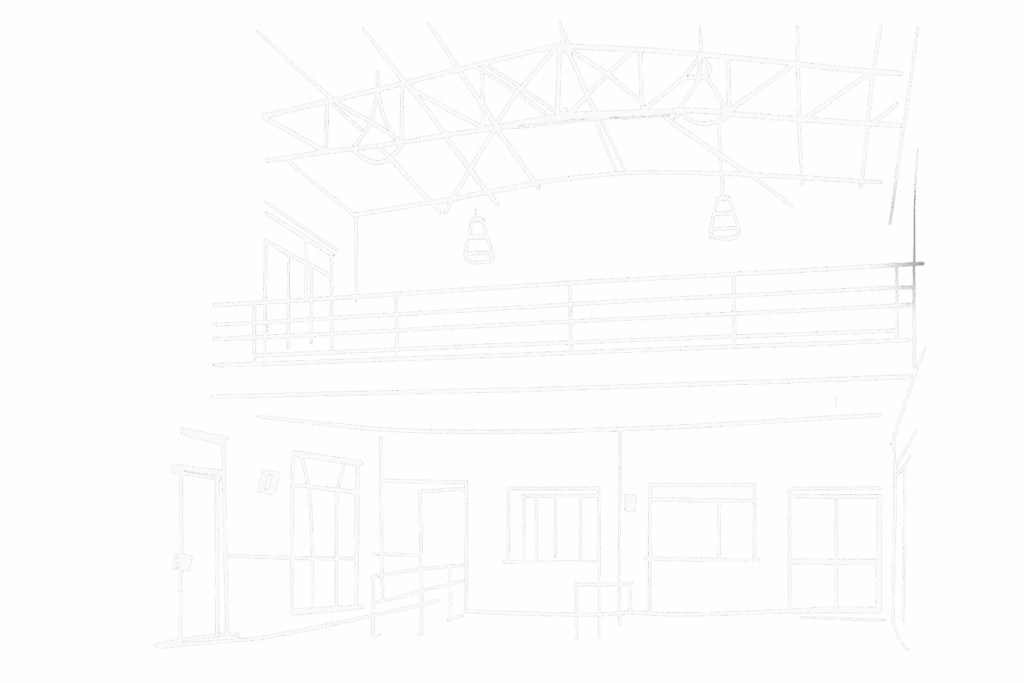
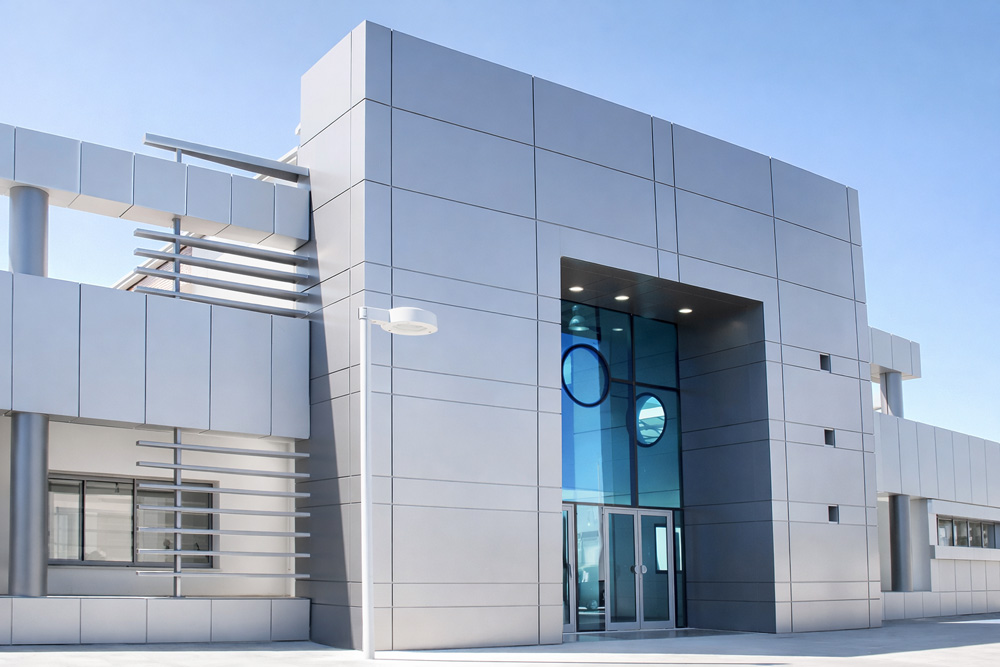
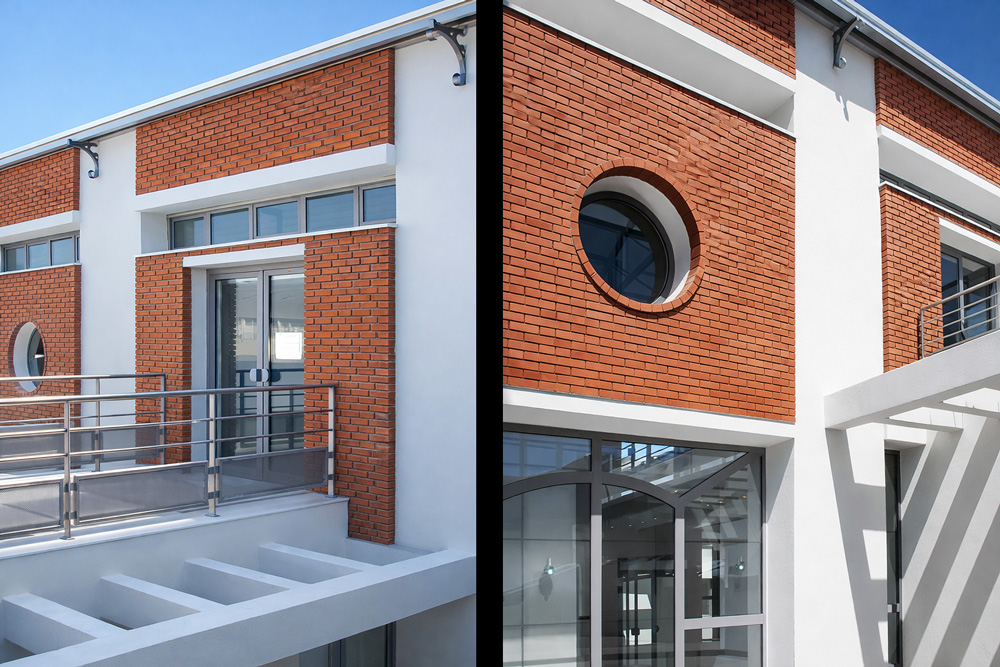
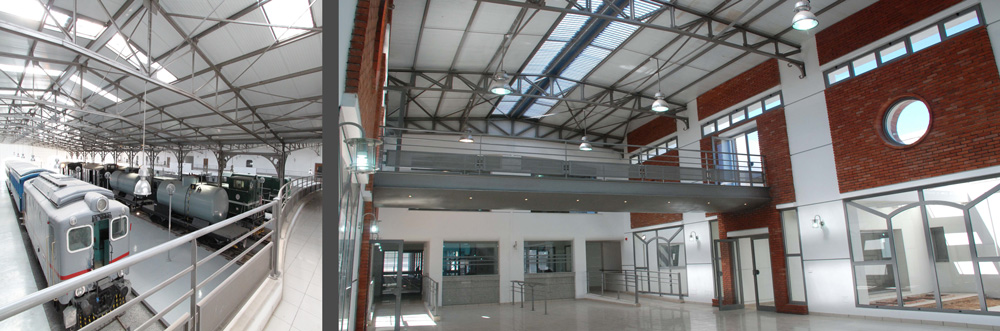
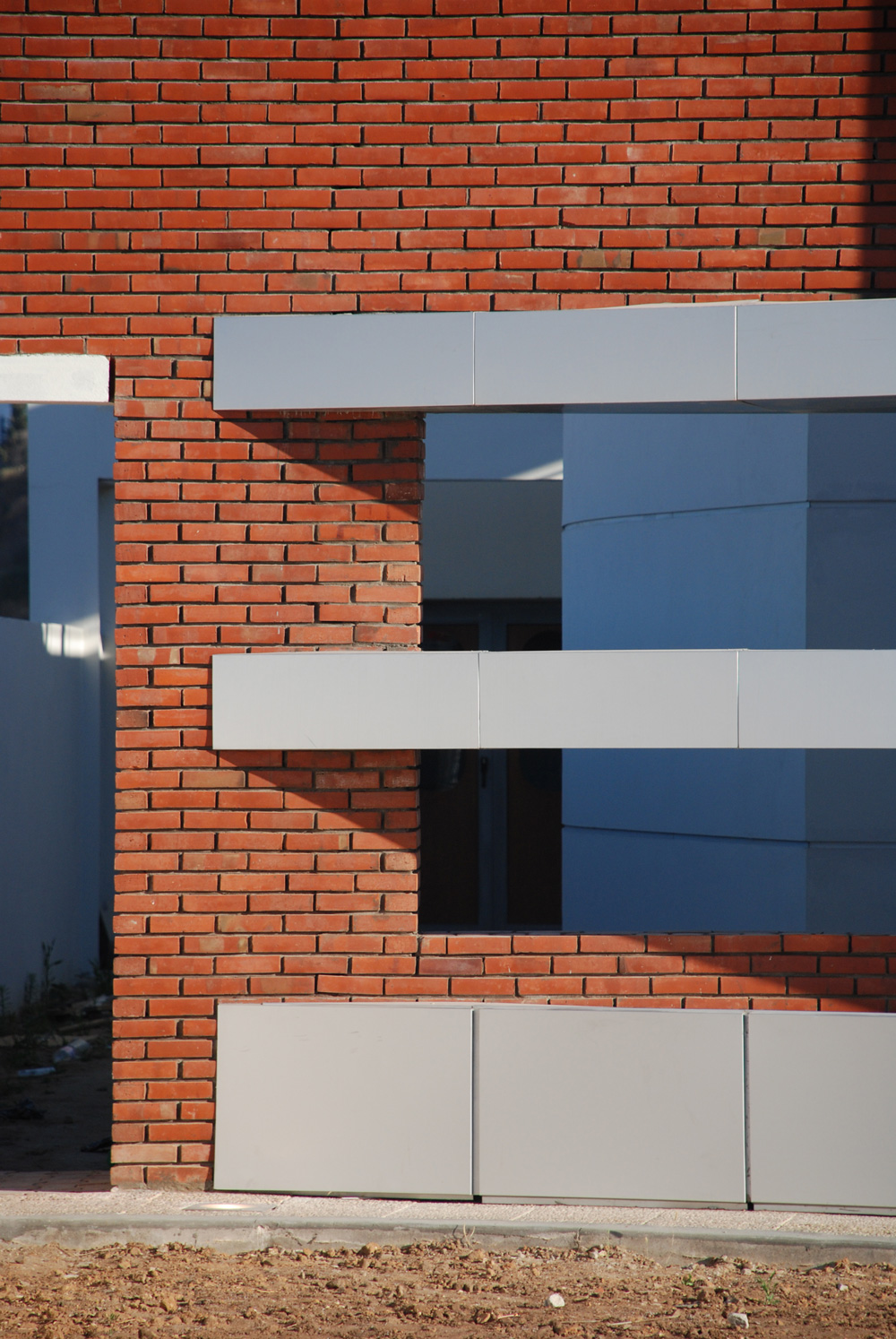
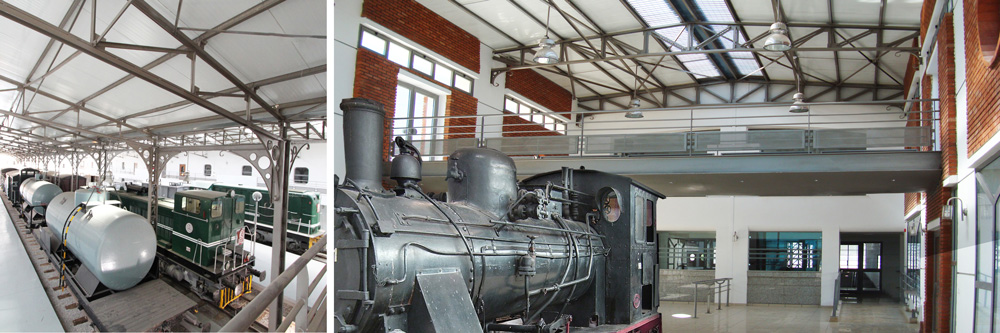
The Railway Museum of Tunisia is conceived as both an educational and immersive experience, offering visitors a symbolic train journey through the nation’s rich railway heritage. The architecture itself becomes a narrative medium: the façades draw inspiration from historic Tunisian train stations built during the colonial era, recalling their arches, masonry patterns, and distinctive proportions. Inside, the spatial organization echoes the typology of railway architecture, with exhibition halls shaped like elongated wagons and circulation paths that guide the visitor as if moving along a railway line. Through carefully crafted scenography, archival objects, restored rolling stock, and atmospheric lighting, the museum stages the world of station workers, engineers, and passengers of the past.
The visitor is invited into a place of exploration, discovery, and cultural memory, an expedition through time. As they progress through the exhibitions, they relive the evolution of Tunisian railways, from the first colonial lines to the expansion of the national network and its role in shaping the country’s economic and social landscape. The architectural language, combined with the museographic experience, transforms the museum into a living journey where history, movement, and heritage converge.